
Misdemeanor vs. Felony: Understanding the Long-Term Consequences
August 18, 2026
DACA renewal requires filing USCIS forms, paying the fee, and proving continued eligibility. Filing late can result in a gap in your work authorization and may affect your protection from deportation.
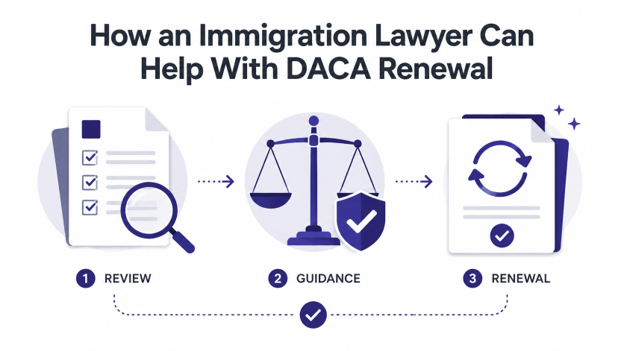
An experienced immigration lawyer can review your eligibility, prepare forms, submit the application correctly, and track your case with USCIS. If USCIS requests additional evidence or your case is delayed, a lawyer can also help you respond effectively and address issues that could lead to a denial or lapse in work authorization.
This article gives you an in-depth guide on how an immigration lawyer can help you through each stage of the renewal process, from checking eligibility to resolving any complications that may arise.
What are the DACA Renewal Requirements?
As of March 31st, 455,170 people had active DACA status nationwide, according to USCIS data. If you are renewing DACA, it is important to meet every requirement. Missing even one can delay your case or put your work permit at risk.
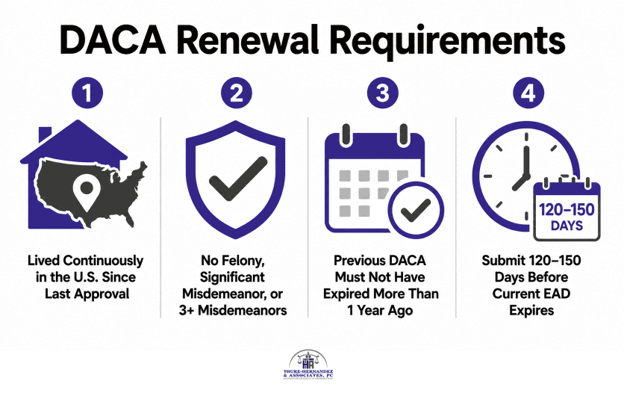
Here are the key requirements to keep in mind:
- Continuous residence: You must have lived in the United States continuously since your most recent DACA approval, without a significant departure from the country.
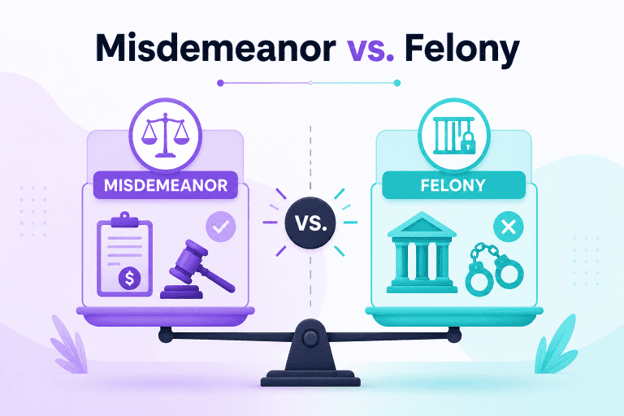
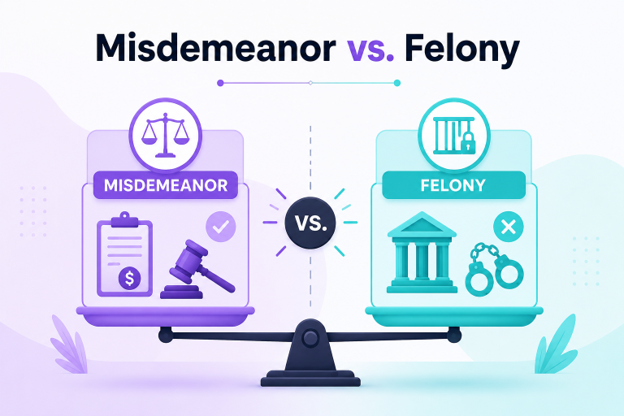
- Clean record: You cannot have a felony conviction, a significant misdemeanor, or three or more other misdemeanors on your record.
- Valid renewal window: Your previous DACA grant must not have expired more than one year ago. If it is, your case may require a different and more complex filing process instead of a standard renewal.
- Timely filing: USCIS recommends submitting your renewal 120 to 150 days before your current DACA work permit This can reduce the risk of a gap in DACA status or work authorization.
How an Immigration Lawyer Can Help With USCIS DACA Renewal
An immigration lawyer can help review your eligibility, prepare forms, track your case, and address problems like RFEs (Request for Evidence) and denials that may come up along the way.
Here’s a closer look at the benefits of working with an immigration lawyer.
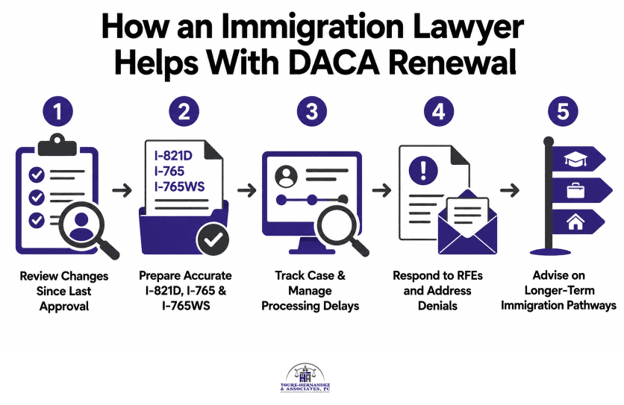
1. Review Your Renewal Eligibility
USCIS reviews each applicant’s continuous residence and criminal history under the same eligibility standards used for initial approval. A previous approval does not automatically guarantee that your next renewal will be approved.
Before filing, a lawyer can review what has changed since your last approval. This includes new arrests or citations, even minor ones, as well as any gaps in physical presence.
For example, you may have received a minor traffic citation since your last approval and assume it does not matter. However, you still need to disclose it accurately on your renewal forms. Addressing these changes before filing can help prevent eligibility issues and risk of falling out of status.
2. Prepare Accurate DACA Renewal Forms
A DACA renewal involves three forms: Form I-821D for the DACA application, Form I-765 for work authorization, and Form I-765WS for the financial worksheet. You can file your DACA renewal online through a USCIS account or submit the forms by mail.
The current DACA renewal fee is split between two forms. Form I-765 costs $470 when filed online or $520 when filed by paper. Form I-821D has a flat $85 fee for both online and paper filing.
A lawyer reviews the entire application before submission, including the supporting documents. They can check that your EAD copy, prior approval notice, name, and address information are consistent across the filing. Even small errors on the immigration paperwork, such as an outdated address or different spelling of your name, can create questions and delay your case.
Careful review helps reduce avoidable filing errors and gives you a better chance of submitting a complete renewal application the first time.
3. Monitor DACA Renewal Processing Delays
DACA renewal processing time has become less predictable in 2026. According to USCIS data reported by the National Immigration Forum, only 34% of renewals were approved in the first half of FY2026 compared to 84% submitted in the first half of FY2025. This means even complete and accurate applications may take longer than expected. As a result, the processing delays can make your DACA renewal timeline difficult to predict.
An immigration lawyer can help manage these delays in some important ways:
- File within the USCIS-recommended 120- to 150-day window before expiration to maximize buffer time in case of delays.
- Track your case through your USCIS account and flag delays.
- If processing exceeds normal times, they can help request a case inquiry and explain your options if your work permit expires while your renewal is still pending.
4. Complications in the Renewal Process
USCIS may send a Request for Evidence if it needs additional documents or clarification for your DACA renewal application. The notice will include a deadline for submitting your response. If you miss this deadline, your application can get denied.
A lawyer can review the RFE, gather the required supporting evidence, and prepare a complete response before the deadline. This can help address USCIS concerns without unnecessary delays.
In some cases, USCIS may deny a renewal because of an issue identified during background checks. If this happens, a deportation defense attorney can review the reason for the denial and assess whether there are broader immigration or removal concerns. They can then explain your available options and help you decide what steps to take next.
5. Advice On Status Options
DACA renewal gives you another two years of deferred action and work authorization. However, it does not provide a green card or another permanent immigration status. Without another option, you need to repeat the renewal process every two years.
A DACA renewal lawyer can review your situation to see if you qualify for a more permanent immigration pathway. Depending on your circumstances, this could include marriage to a U.S. citizen, sponsorship through a qualifying employer, or another employment or family-based immigration category.
If you qualify for a permanent pathway, you can avoid repeating the renewal cycle when another long-term option is available.
When You Should Hire a DACA Renewal Lawyer
Not every DACA renewal requires legal help. However, some situations can make working with a lawyer non-negotiable. Consider getting legal help if:
- You have been arrested or received a citation since your last DACA approval.
- Your previous DACA grant expired one year ago or more.
- Your DACA application has been pending longer than the typical USCIS processing time, and you have not received an update or decision.
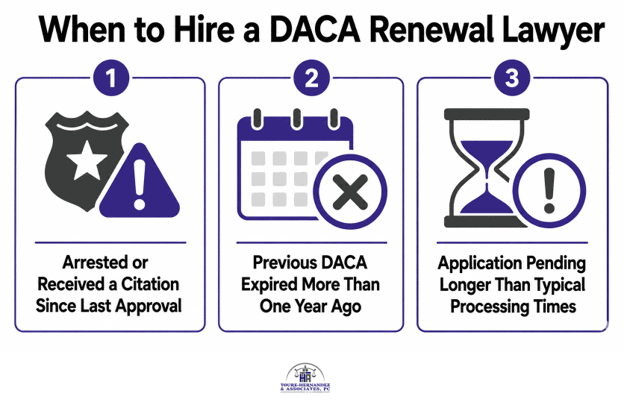
Any of these situations can increase the risk of delays or other complications. If you are unsure whether your situation requires legal help, an attorney can review your immigration history and current circumstances. Choosing the right immigration lawyer with direct experience handling DACA renewal cases can also help you avoid filing errors and address potential issues before you submit your application.
Final Words: Take the Next Step in Your DACA Renewal
The DACA renewal process is straightforward, but even a small mistake can complicate your case. An immigration lawyer can review your case, identify potential issues early, and help you submit accurate DACA forms and supporting documents. This can reduce the risk of a Request for Evidence (RFE), denial, or a lapse in your work permit.
At Toure-Hernandez & Associates, P.C., we bring extensive immigration law experience to help DACA applicants review their eligibility, prepare accurate applications, and track their cases. If USCIS issues an RFE or denies your application, we also offer personalized guidance directly from a specialized attorney so you can respond confidently and take the right steps to protect your status. Contact us today to get started.