
6 Benefits of Hiring a US immigration lawyer
December 4, 2025
Do I Need an Immigration Lawyer? 6 Clear Signs
January 14, 2026
Applying for a US visa or green card can feel overwhelming. When handling all those forms and paperwork, you feel anxious to get everything right.
This is even more important now, under the Trump administration’s tighter immigration policies. Even small mistakes can result in the denial of applications and severe penalties.
To make things easy for you, we are here with the most common immigration mistakes and how to avoid them to protect your case and improve your chances of success.
Common Immigration Mistakes That Can Ruin Your US Immigration
While minor errors are easy to rectify, some immigration mistakes can result in severe penalties if you’re not careful. Here are the top 9 mistakes with tips on how to avoid them.
Submitting Outdated or Incomplete Forms
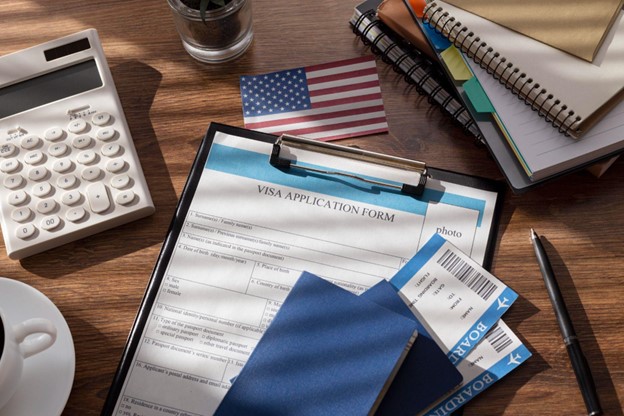
One of the most common mistakes on immigration forms is submitting an outdated or incomplete application. USCIS forms are updated regularly to ensure compliance with current laws and regulations. If you use an outdated form, your application will be outright rejected. Moreover, blank or incomplete fields will make your application invalid, and the entire package will be returned to you.
You might be wondering how can I avoid mistakes on immigration forms.
Here are the essential steps to take to ensure your applications are accepted:
- Download forms directly from the official USCIS website.
- Confirm the correct edition date listed on the form.
- Read all the instructions on the form before filling in the details.
- Double-check all fields to ensure everything is filled and accurate.
Providing Inaccurate Personal Information
Providing incorrect personal details is a serious mistake on immigration forms. USCIS uses your name, date of birth, and passport number to track your immigration history across multiple government databases. When your details mismatch, this can result in severe scrutiny from immigration authorities. It will affect your future applications and interviews as well.
So, make sure to keep your information accurate and consistent on all documents. And if you’re unsure about what to do, a professional US immigration lawyer can guide you with accurate information that aligns with USCIS’s current requirements.
But what if the USCIS makes a mistake on your documents? You can submit a formal correction request with forms like Form I-90 for a Green Card or N-565 for a Citizenship Certificate.
Submitting Insufficient or Incorrect Documents
Another critical error is submitting incomplete documents. This is because USCIS decides on a case based on tangible evidence. For example, when filing a family-based petition, you failed to attach a birth certificate. Or, you attached one that’s missing a certified English translation. In this case, USCIS cannot confirm the claimed relationship and may delay or flag it for Request for Evidence (RFE). In many cases, this problem can occur due to immigration misinformation or a lack of knowledge of the current USCIS rules.
Here’s how to avoid immigration mistakes regarding documentation:
- Create a document checklist based on the USCIS form instructions.
- Confirm that each document is in the required format.
- Include certified English translations for foreign-language documents.
- If USCIS issues an RFE, focus on correcting immigration mistakes by submitting only the requested evidence,
clearly indexed and explained.
Paying Incorrect Fees

Until Oct. 28, 2025, USCIS accepted credit and debit cards, paper checks, and money order payments. According to USCIS, after this date, the only is via ACH debit transactions by completing and signing Form G-1650 or credit card payments via Form G-1450 for forms filed by paper. For forms filed online, online payments are acceptable.
If you pay the wrong amount or use a payment method USCIS does not accept, your application can be rejected right away. So, before you file, double-check the current fee using the USCIS Fee Calculator. And make sure you are using one of the payment methods USCIS accepts.
Engaging in Unauthorized Work
Unauthorized employment means working without the proper legal permission. It’s a common problem in typical cases of “immigration gone wrong,” when people move to the US to work without checking whether they are actually allowed to.
According to INA Sections 245(c)(2) and 245(c)(8), Working without authorization can result in denial of status, whether you do it before or after filing your application. So, make sure that you understand your employment authorization before starting work.
At Toure-Hernandez & Associates, P.C. , we can help you know your employment rights and ensure you have the right visa for the type of work you want to perform in the US. Our experienced team ensures your immigration stays free of errors and legal issues. Get in touch now!
Missing Deadlines or Overstaying Visas
A visa overstay can happen when you overlook your visa expiration date on the Form I-94 or fail to renew it. As a result, you can fall into the wrong immigration status, which can result in forced deportation and even years of ban on re-entry.
But the exact penalties are defined by the Sections INA 212(a)(9)(B) and INA 212(a)(9)(C) in the Immigration and Nationality Act. law. Based on this, if you overstay your visa for 180 days, you will be barred from reentry for 3 years. And if the overstay duration is 1 consecutive year, you cannot re-enter the US for up to 10 years. Any duration exceeding 1 year results in a permanent ban.
Therefore, make sure to track all your expiration dates. Use digital calendars with reminders. Moreover, apply for extensions at least six months in advance when allowed.
Immigration Misrepresentation
Providing false or misleading information to get an immigration benefit like a visa, green card, or entry into the country is known as immigration misrepresentation. It may seem simple to exclude small details. But it can result in a lifetime ban from being admitted to the U.S. under the section INA 212(a)(6)(C)(i) of US Immigration Law.
Some examples of misrepresentation include immigration stamp wrong date, immigration wrong birth date, missing employment history, or exaggerated qualifications.
To avoid this issue, make sure to provide accurate and complete information on all forms. If you’ve had any legal issues previously, disclose them honestly.
Green Card Mistakes
Thinking: How do I correct a mistake on my green card? If you’re in this situation, first determine if the error is on your end or made by USCIS. If USCIS mistakes and adds incorrect information on your green card, you can file Form I-90 with your current card copy and proof of correct info to avoid any issues. If the fault is really on USCIS, you will also get your money back for the application.
Ignoring Requirements for Medical Examination
Another common mistake in the immigration process is forgetting to schedule the required medical exam or not submitting the completed Form I-693. This mistake can occur when you’re applying for a green card or to adjust your status. Without, USCIS can deny your application. So, make sure your Form I-693 is either included with your application or brought to your interview. You can also schedule your exam with a USCIS-approved civil surgeon to fulfill these requirements.
Final Words: Making Your Immigration Journey Successful
The immigration process goes beyond submitting petitions to understanding your visa limitations and compliance with the immigration laws. Because of this complexity, working with a legal professional can help you avoid common immigration mistakes.
At Toure-Hernandez & Associates, P.C., we help you keep your case strong and perfectly aligned with new immigration laws. As immigration lawyers, we understand the challenges you face and tailor our legal strategies to your unique situation so you can achieve your goals successfully. Contact us today to get started.